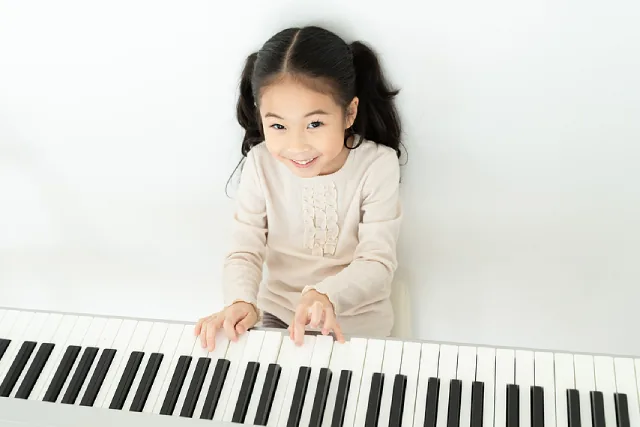
Hyperactivity in children with special needs is a challenge that many parents, caregivers, and professionals face. Often, these children experience difficulties in focusing, regulating their emotions, and controlling impulsive behaviours. For children on the autism spectrum, ADHD, and other developmental disorders, hyperactivity can significantly interfere with learning, behaviour, and day-to-day functioning. One method that has gained increasing attention for its positive effects is music. Whether it’s through rhythmic activities, instrumental play, or listening, music has shown remarkable potential in calming hyperactive children, improving their concentration, and enhancing overall development.
In this article, we will explore how music can reduce hyperactivity in special needs children, and why it is becoming an integral part of special needs care in Singapore.
The Therapeutic Power of Music
Music has long been acknowledged for its emotional and psychological benefits, and recent studies have supported its effectiveness in therapeutic settings. For children with special needs, music therapy can help address a variety of issues, including hyperactivity. By stimulating both the brain and the body, music engages multiple areas of development simultaneously, making it a valuable tool in managing the physical and emotional symptoms of hyperactivity.
Music encourages the development of self-regulation skills. Through music, children learn how to follow rhythmic patterns and respond to specific cues. These actions help children practice self-control, reduce impulsive behaviour, and focus their energy in a more productive way. Additionally, engaging in music can be a calming experience, especially when it involves soothing melodies or repetitive rhythms, allowing children to feel more grounded and in control.
For children who struggle with hyperactivity, music can provide an outlet for expression and help release pent-up energy in a safe, controlled manner. The act of playing an instrument, moving to music, or even singing can serve as a means of redirecting excess energy and engaging the child’s attention in a focused, enjoyable activity. Over time, the use of music in therapy can help reduce instances of hyperactivity and foster a sense of emotional regulation.
Music as a Tool for Special Needs Care in Singapore
In Singapore, special needs care has seen significant growth, with an increasing number of services for special needs children. Music therapy has been embraced by many specialists as an effective method for managing behavioural concerns, including hyperactivity.
For instance, play therapy in Singapore often incorporates musical elements. Play therapy is a form of psychotherapy that encourages children to express their feelings and cope with emotional difficulties. Integrating music into play therapy sessions helps children communicate their emotions, regulate their responses, and ease stress. These therapeutic music activities enable children to feel more comfortable and reduce feelings of overwhelm, which is common in hyperactive children.
A trained music therapist might use instruments, song lyrics, or even sound effects to create a structured, calming environment. By focusing on musical elements such as tempo, pitch, and rhythm, therapists can promote relaxation and concentration. These sessions are designed to reduce the child’s hyperactive tendencies by guiding them through structured activities that encourage attention, focus, and emotional expression.
Moreover, Singapore offers a wide range of special needs services that integrate music into their therapeutic approaches. Music is often used in one-on-one sessions to help children with hyperactivity manage their behaviour. In a supportive environment, children are guided by professionals who are trained to understand their needs and craft individualised programs. This approach ensures that each child benefits from the music therapy in a way that suits their specific challenges and developmental goals.
How Music Class for Special Needs Children Helps Manage Hyperactivity
Many children with special needs struggle to focus in traditional classroom settings. However, music classes for special needs children offer an alternative approach to learning and development. These classes are tailored to the child’s sensory and developmental needs, providing a therapeutic environment where hyperactive behaviours are addressed and mitigated.
In a music class for special needs, children participate in structured, purposeful activities that require focus and attention. The rhythm of a song, the repetitive patterns of a melody, and the process of learning an instrument all work to engage the child’s brain and body in an organised, predictable way. The structure inherent in music helps children develop executive functioning skills, such as planning, attention, and impulse control, which are often challenging for children with ADHD or other developmental disorders.
Music has a unique ability to capture a child’s attention and engage them in ways that other activities might not. When children are hyperactive, it’s easy for them to become distracted, but the engaging nature of music allows them to focus their energy on the task at hand. Whether it’s drumming along with a beat or learning how to play a melody on a keyboard, the sensory nature of music helps children calm their minds and bodies. By focusing on a single activity, children can improve their ability to regulate their emotions and control impulsive behaviours.
Furthermore, the process of learning music builds a sense of achievement and boosts self-confidence. When children can successfully complete a music-related task, whether it’s playing a tune or following a rhythm, it reinforces positive behaviours and provides a sense of pride and accomplishment. These positive experiences can be empowering for children who may often struggle with frustration or feelings of inadequacy due to their hyperactivity. It may also help them to build strong relationships in the future.
How Music Affects Brain Development in Special Needs Children
The brain development of children with special needs can be enhanced through the engagement of sensory stimuli such as music. Studies have shown that music therapy helps stimulate neural pathways in the brain, improving cognitive and motor skills. This is particularly important for children with special needs who may have developmental delays or difficulties in processing sensory information.
The rhythmic nature of music helps children improve their motor coordination and timing. By tapping their feet to a beat, clapping their hands in time with music, or playing an instrument, children develop better motor control, which is often a challenge for hyperactive children. Music also helps develop auditory processing skills, which can be difficult for some children with special needs. As they listen to music, children practice distinguishing sounds, pitches, and rhythms, which improves their ability to focus and process information in other areas of life.
Additionally, music has been shown to activate areas of the brain that control emotion regulation. For children with hyperactivity, who often struggle with emotional regulation, music can be an important tool for calming the nervous system and providing a sense of stability. When children engage with soothing music, they can experience a reduction in heart rate and a sense of relaxation, helping to lower the levels of stress and agitation that often accompany hyperactivity.
Conclusion
Music offers a powerful and effective way to reduce hyperactivity in special needs children as it provides children with a unique opportunity to focus, regulate their emotions, and manage impulsive behaviour. As part of a comprehensive approach to special needs care, music serves as a valuable tool in addressing the challenges faced by children with hyperactivity.
If you’re looking for professional support and services for special needs in Singapore, consider reaching out to Special Minds. With a range of personalised services and expert guidance, Special Minds can provide the necessary support for your child’s development and help create a calming environment where they can thrive.
Contact us today for more information.