As parents, it’s natural to be concerned if your child seems to be developing differently from their peers. Every child grows at their own pace, but certain behaviours or developmental delays could be indicators of special educational needs (SEN). Identifying these signs early can help you access crucial services like special needs therapy, early intervention services, and enrichment classes for special needs children.
Here are five key signs that may suggest your child could benefit from specialised support.
1. Delayed Communication Skills
One of the most common signs of special educational needs is a delay in speech or communication. If your child struggles to express themselves, has difficulty forming sentences, or seems unresponsive to conversations, it may be a sign of underlying communication challenges. For example, children with speech or language impairments, or conditions like autism spectrum disorder (ASD), may find it hard to communicate their needs.
What to do:
Consider seeking early intervention services, which provide support from speech therapists and other professionals trained to enhance communication skills. Early intervention is crucial for special needs children as it can help your child develop effective language abilities at their own pace.
2. Difficulty with Social Interaction
Children with SEN may experience challenges in social settings, such as interacting with peers, understanding social cues, or managing emotions. They might prefer to play alone, avoid eye contact, or have difficulty forming friendships. These difficulties could be associated with conditions like ASD or social communication disorders.
What to do:
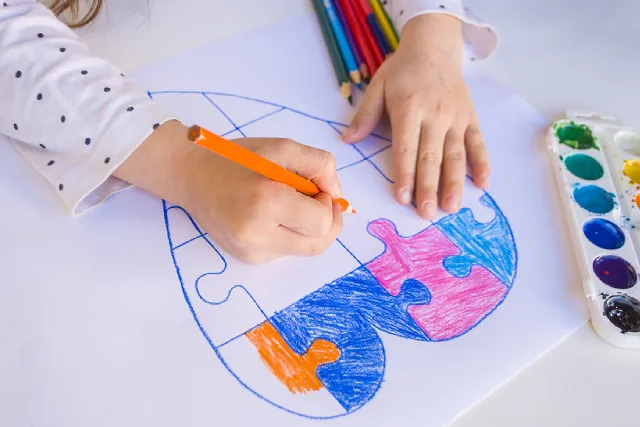
Enrichment classes for special needs children, like art and dance, are crucial for fostering confidence in children. These classes provide a creative outlet for self-expression, helping children communicate feelings non-verbally, which is especially beneficial for those who struggle with traditional communication. By mastering new skills, children experience a sense of accomplishment that boosts self-esteem, while positive feedback from instructors reinforces their belief in their abilities. One-on-one sessions allow for personalised attention, helping to build trust and easing anxiety. This approach supports gradual skill development and individual goal achievement, ultimately laying a strong foundation for future growth and improved social interactions.
3. Struggles with Academic Performance
A significant indicator of SEN is when a child consistently struggles to keep up with schoolwork. This could involve difficulty learning basic concepts such as reading, writing, or mathematics. Children with learning disabilities, attention deficit hyperactivity disorder (ADHD), or dyslexia may find it hard to concentrate or retain information.
What to do:
Look into special needs programs designed to offer personalised learning strategies that cater to your child’s unique needs. These programs often provide specialised support that addresses learning challenges, helping your child succeed in school.
4. Behavioural or Emotional Challenges
If your child exhibits frequent emotional outbursts, extreme frustration, or difficulty regulating their emotions, these could be signs of SEN. Some children with SEN may have heightened sensitivity to sensory stimuli, such as loud noises or crowded spaces, which can trigger anxiety or disruptive behaviours.
What to do:
Special needs therapy, such as occupational or behavioural therapy, can provide coping mechanisms to help your child manage emotional or sensory challenges. Personalised attention in these sessions fosters a deeper understanding of your child’s specific triggers and needs, promoting emotional resilience and improved self-regulation.
5. Motor Skill Delays
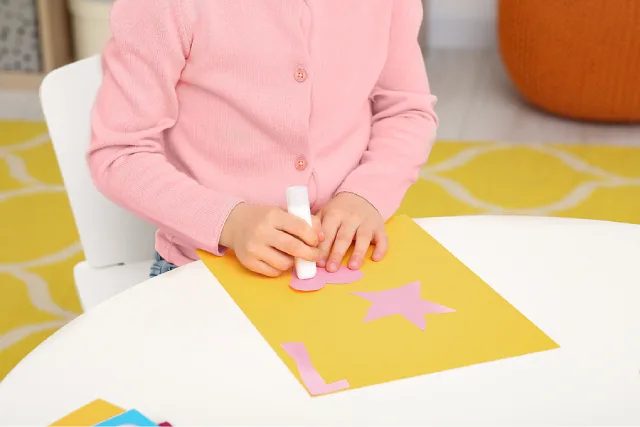
Children with SEN may exhibit delays in fine or gross motor skills. This might include difficulty with tasks like holding a pencil, using scissors, or participating in physical activities such as running or jumping. These delays can be linked to developmental coordination disorders, muscular challenges, or neurological conditions.
What to do:
Seek services for special needs that include personalised physical or occupational therapy. One-on-one sessions enable therapists to work closely with your child, strengthening coordination, muscle development, and fine motor control, allowing them to participate more fully in daily activities.
How to Support Your Child
If you’ve noticed one or more of these signs in your child, the next step is seeking professional evaluation and support. The earlier SEN is identified, the more effective early intervention services and therapies can be. Here’s how you can support your child:
- Consult a Specialist: A paediatrician, psychologist, or educational therapist can assess your child’s developmental progress and recommend the appropriate support services for special needs.
- Enrol in Early Intervention Services: These services provide personalised therapy and educational strategies that cater to your child’s specific needs, helping them overcome challenges and reach developmental milestones.
- Explore Special Needs Therapy and Tuition: Services like speech therapy, occupational therapy, and specialised tuition programs can be tailored to your child’s learning and developmental requirements.
- Consider Enrichment Classes for Special Needs: These classes provide a fun and structured environment for your child to build confidence and develop new skills through creative outlets like art and dance, enhancing their ability to connect socially with others.
Conclusion
Recognising the signs of special educational needs in your child can be the first step toward getting the right support. Whether it’s addressing communication delays, social challenges, or academic struggles, accessing early intervention services and special needs therapy can make a world of difference in your child’s development.
Explore the range of services offered at Special Minds, including tailored early intervention services, special needs therapy, and specialised tuition programs designed to meet your child’s unique developmental needs. At Special Minds, expert educators and therapists work closely with each child to provide a supportive and nurturing environment where they can grow and overcome challenges. With the right guidance and care, your child can develop the skills they need to thrive both academically and socially!
For more information, get in touch with us today!