Music is more than just a form of entertainment. It’s a universal language that transcends barriers, communicates emotions, and brings people together. For children with special needs, music can have a profound impact, fostering development, enhancing emotional regulation, and promoting social interaction. If you notice signs your child has special educational needs, a music class for special needs can provide an invaluable outlet for self-expression, while also boosting their confidence and helping them build essential life skills.
Let’s explore how music empowers children with special needs and how these therapeutic approaches benefit their development.
The Power of Music in Special Needs Care
Special needs care in Singapore is becoming more holistic, recognising the multifaceted needs of children with physical, developmental, or emotional challenges. Music plays a central role in this care, offering both therapeutic and developmental benefits.
Children with special needs often face challenges with communication, social interaction, and emotional regulation. Music has been proven to aid in overcoming some of these barriers. Through rhythm, melody, and song, children are given a means to express themselves when words might be hard to find. For instance, non-verbal children or those with speech delays can use music to communicate their feelings or thoughts, something that is often incredibly empowering.
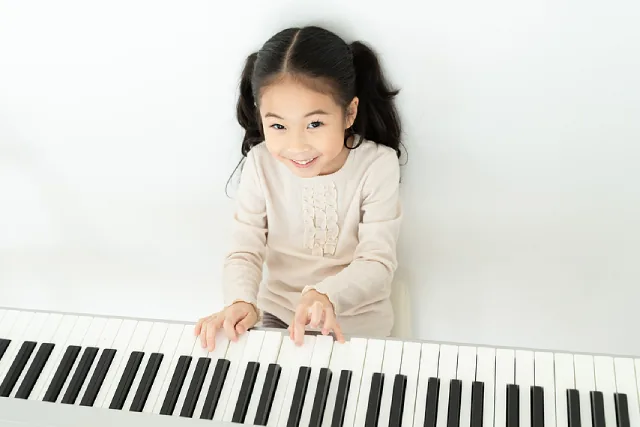
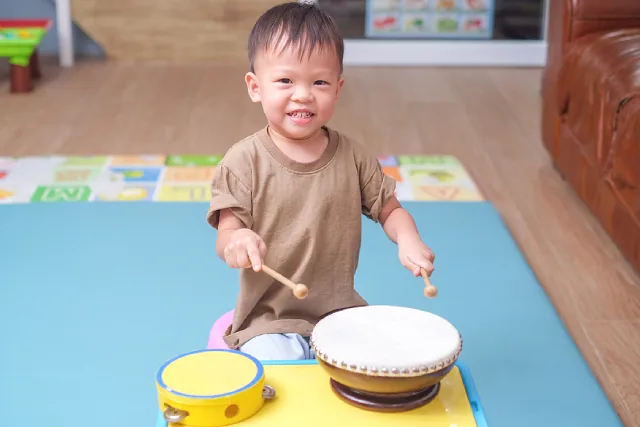
In addition, music classes for special needs children are designed to be sensory-friendly, allowing children to participate at their own pace. Whether it’s drumming, singing, or playing an instrument, the focus is on helping children explore their creative side in a comfortable and supportive environment.
Music as a Tool for Emotional Expression and Regulation
Children with special needs may struggle with emotional regulation, often finding it difficult to express feelings or cope with overwhelming emotions. Music, however, offers a way to externalise those feelings. The rhythm of a drumbeat, the flow of a melody, or the repetition of a song can help children understand their emotional landscape and express feelings in ways that are not always easy through words alone.
Drumming, in particular, has been shown to help children release pent-up emotions in a safe and controlled manner. The act of physically drumming can be calming and empowering for children, providing them with a sense of control over their body and mind.
Building Self-Esteem Through Music
Music classes for special needs children offer a powerful way to boost self-esteem by providing opportunities for success and personal growth. Through mastering new skills, such as playing a rhythm or learning a song, children experience a sense of achievement that directly enhances their confidence. The process of learning music encourages children to recognise their own abilities, fostering a positive sense of self-worth as they see their progress, no matter how small.
In addition to skill development, music creates a safe space where children can take risks without fear of judgment. The supportive, non-judgmental environment allows them to make mistakes, learn from them, and keep trying. This promotes resilience and perseverance, helping children understand that they are capable of overcoming challenges. As a result, music not only boosts their confidence in the classroom but also empowers them to tackle challenges in other aspects of their lives, building lasting self-esteem.
Building Cognitive and Physical Skills Through Music
Beyond emotional and social development, music classes for special needs children also contribute to cognitive and physical development. Learning to play instruments, follow rhythms, or sing songs stimulates brain activity, enhancing cognitive skills like memory, attention, and concentration. These activities also require fine and gross motor coordination, as children learn to manipulate instruments or tap out rhythms.
For children with developmental disabilities, these cognitive and physical benefits are especially crucial. Music helps strengthen neural pathways, improve motor skills, and provide the sensory input necessary for healthy brain development. This makes music not just a fun activity but a vital tool in holistic special needs care.
Conclusion: Empowering Special Needs Children Through Music
Music is much more than entertainment for children with special needs. It’s a powerful tool for building confidence, enhancing communication, fostering social interactions, and promoting emotional regulation. Through music classes tailored for special needs children, they are given the opportunity to express themselves, develop essential life skills, and experience the joy of accomplishment.
For families seeking specialised support for their children, Special Minds offers a range of services designed to cater to the unique needs of each child. If you’re looking for a nurturing environment where your child can flourish, explore the services offered by Special Minds and discover how music can be a transformative experience for your child’s growth and well-being.
Contact us to learn more about our programs and how they can support your child’s development through music and other therapeutic services.