Early intervention is one of the most effective strategies for supporting children with developmental delays or special needs. Recognising the signs your child has special needs early allows parents and professionals to address challenges during the critical early years, when the brain is most adaptable. These programs lay the groundwork for long-term success in areas such as learning and social interaction.
Understanding Early Intervention
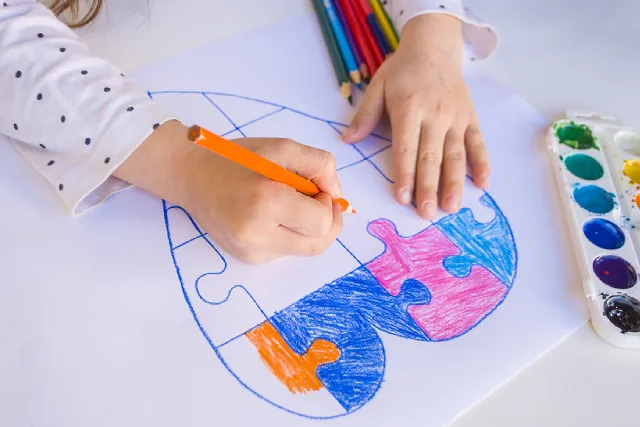
Early intervention refers to specialised programs designed to support children under six who exhibit developmental delays. These services often include therapies targeting specific areas such as motor skills, speech, and behaviour. For instance, speech therapy can improve a child’s ability to express themselves and engage in conversations, while occupational therapy can help develop fine motor skills and enable participation in daily activities. Activities such as art therapy and swimming are also commonly integrated to enhance physical coordination and self-expression.
The goal of early intervention is to identify and address developmental concerns during a critical window of brain development. This early action not only supports immediate developmental needs but also helps build a foundation for long-term growth, enabling children to adapt more effectively to challenges in both academic and social contexts. Research shows that early action can significantly improve outcomes, equipping children with the skills they need to succeed in school and social settings.
What the Research Shows
Studies highlight the profound impact of early intervention on a child’s development. During the first six years of life, the brain forms connections at an incredible rate, making it an ideal time to address challenges. This rapid development allows interventions to be especially effective, helping children overcome hurdles such as delayed speech, difficulty with motor coordination, or challenges in managing their emotions.
Research also demonstrates that children who receive early intervention are more likely to achieve academic success, develop stronger social skills, and experience fewer behavioural difficulties later in life. For example, studies indicate that children receiving targeted therapies during this period are better equipped to handle peer interactions, manage frustration, and build resilience, which are essential for thriving in diverse environments.
Holistic Approaches to Early Intervention

Effective early intervention often involves a combination of services tailored to a child’s specific needs. For example, swimming lessons can improve motor skills and focus, while art therapy provides an outlet for emotional expression. Both activities are excellent complements to traditional therapies such as speech or occupational therapy.
Therapy for special needs plays an essential role in addressing emotional and behavioural challenges. Occupational therapy focuses on building fine motor skills and enabling children to perform everyday tasks like dressing, eating, or writing. Behavioural therapy, on the other hand, plays an essential role in addressing emotional and behavioural challenges, teaching children tools to manage frustration, build empathy, and develop resilience.
These sessions provide children with the tools to manage frustration, develop empathy, and build resilience. By fostering these foundational skills, early intervention supports overall well-being and confidence.
Who Can Benefit from Early Intervention?
Children with a wide range of developmental delays or conditions, including autism, ADHD, speech delays, and sensory processing disorders, can benefit from early intervention. These programs are designed to address specific challenges and provide tailored support that meets the unique needs of each child. For instance, children with autism may benefit from therapies focusing on social communication and sensory integration, while those with ADHD can gain from behavioural strategies that enhance focus and self-regulation.
Signs that your child may need support include difficulty with communication, challenges in motor coordination, or struggles with emotional regulation. A child with speech delays might have trouble forming sentences or articulating words, while a child with sensory processing issues might find it overwhelming to engage in environments with loud noises or bright lights. Motor coordination challenges can manifest as difficulty holding objects, running, or balancing, impacting daily activities.
Seeking help early ensures that these challenges are addressed before they become entrenched.
The Role of Parents and Professionals
Early intervention is most effective when parents and professionals work together. Families play a vital role in reinforcing the skills learned during therapy at home. Many early intervention programs also include parent education components, ensuring that caregivers feel confident in supporting their child’s growth.
Professionals such as special needs tutors, therapists, and counsellors bring expertise and structure to the intervention process. By tailoring services to each child’s unique needs, they create a comprehensive approach that addresses both immediate challenges and long-term goals.
Conclusion
Early intervention is not just about addressing developmental delays—it’s about unlocking a child’s potential. By acting during the critical early years, parents and professionals can ensure that children receive the support they need to thrive.
At Special Minds, we specialise in offering comprehensive early intervention services, from art therapy to special needs counselling. Our holistic approach ensures that every child receives the right combination of support to build confidence, develop essential skills, and reach their milestones.
Partner with us at Special Minds to give your child the best start. Contact us today to explore our programs and discover how we can support your family every step of the way.