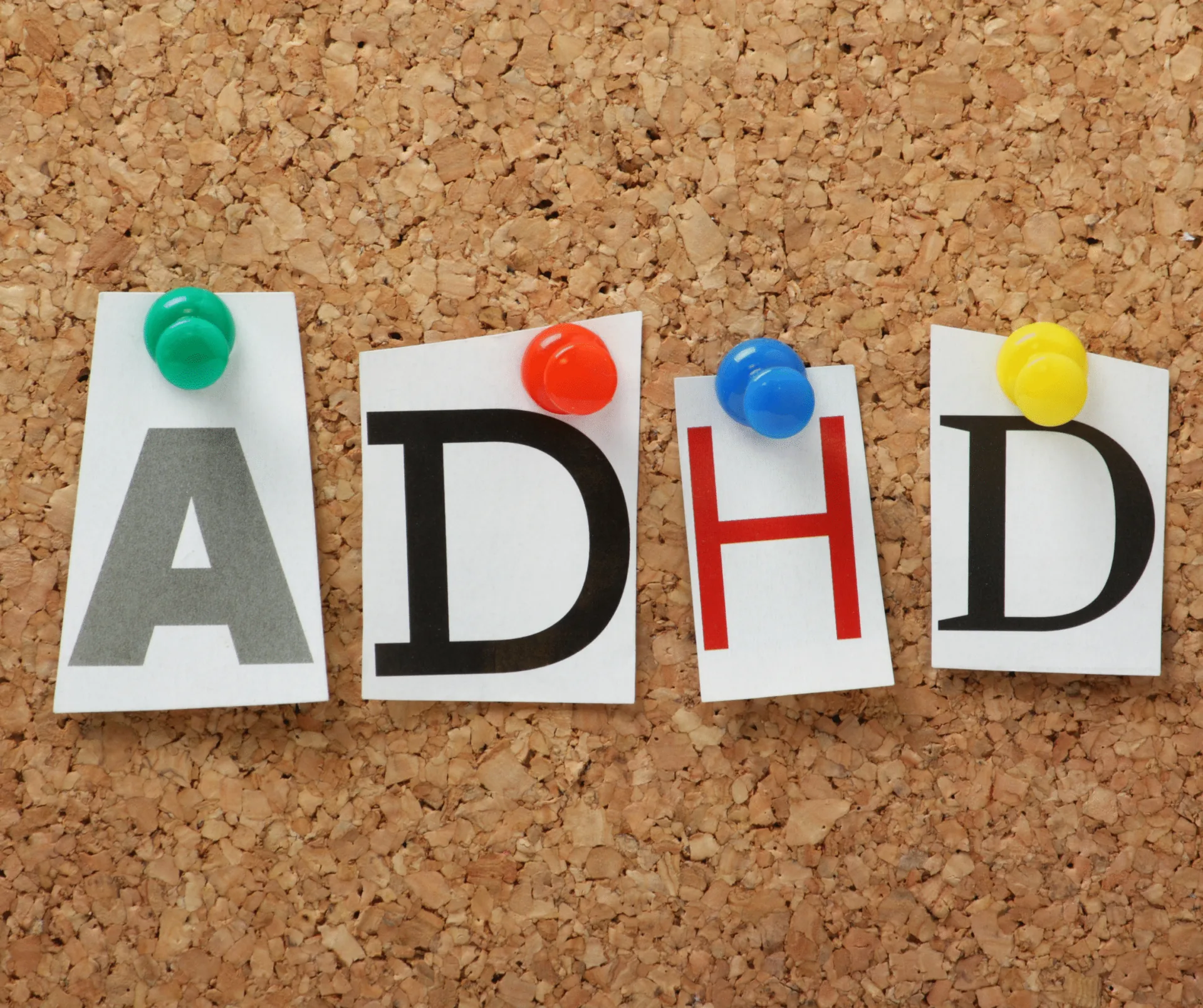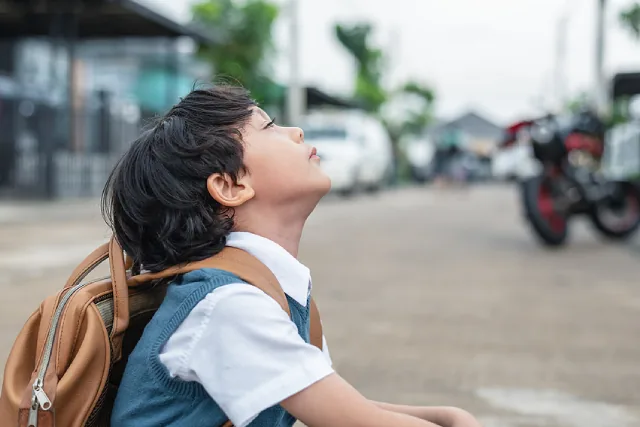
Building relationships can be a challenge for children with ADHD, but it is also an area where they can thrive with the right support. ADHD affects attention, emotional regulation, and impulsivity, which can complicate social interactions. However, by understanding these challenges and using targeted strategies, parents can help their children build meaningful and lasting connections.
Understanding ADHD and Social Challenges
Children with ADHD often struggle with behaviours that make forming relationships harder. Impulsivity may lead to interrupting conversations or acting without considering others’ feelings, while emotional outbursts can alienate peers. Attention difficulties can also make it hard for children to listen and respond appropriately in social situations.
Despite these obstacles, children with ADHD are often empathetic, creative, and enthusiastic, qualities that can help them connect with others when nurtured properly. Recognising both the strengths and challenges ADHD brings is the first step in guiding your child toward successful relationships.
Fostering Positive Social Skills at Home
The home environment plays a critical role in teaching social skills. Parents can model behaviours such as active listening, showing empathy, and resolving conflicts calmly. For example, demonstrating patience during disagreements shows children how to handle frustrations constructively.
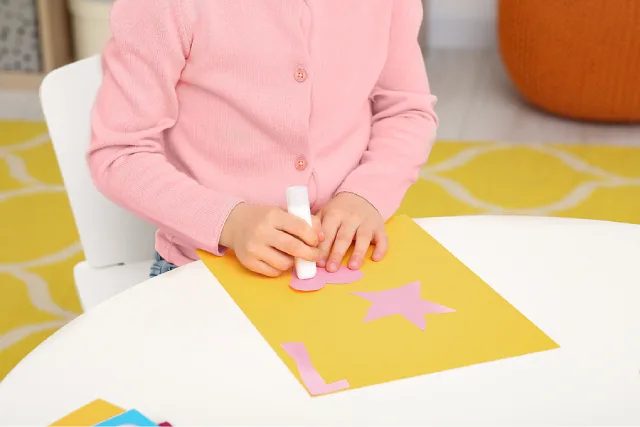
Structured activities can also provide opportunities for children to develop social skills. Swimming lessons or art therapy are particularly effective. Swimming enhances motor skills and teaches teamwork, while art therapy promotes emotional expression and understanding. Similarly, enrolling your child in special needs tuition can improve their focus and communication, further aiding their social development.
The Importance of Emotional Regulation

Helping children with ADHD manage their emotions is crucial for building healthy relationships. Many children with ADHD experience intense emotions, which can lead to overreactions or withdrawal in social settings.
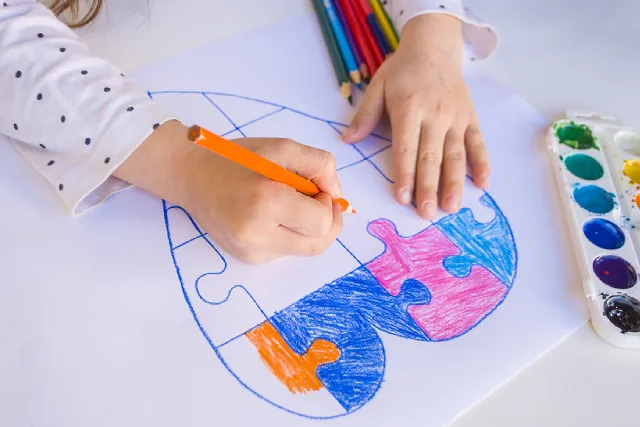
Encouraging your child to express their feelings in healthy ways can make a significant difference. Creative outlets like art therapy or journalling are excellent tools for emotional expression. Professional support, such as therapy for special needs, can equip children with strategies to regulate their emotions effectively, reducing conflicts and improving social interactions. Behavioural therapy is a widely used approach that focuses on reinforcing positive behaviours and reducing negative ones. It teaches children specific skills to manage their emotions and reactions to challenging situations. For example, therapists might use role-playing to practise alternative responses to frustration or create reward systems to encourage appropriate emotional expression. By breaking down complex emotional situations into manageable steps, behavioural therapy helps children build confidence in navigating their feelings and interactions.
Play therapy is also particularly effective for younger children. By engaging in structured play with a therapist, children learn to express emotions, practice social skills, and develop problem-solving abilities in a supportive environment.
Building a Support Network
A strong support network is essential for a child’s social growth. Collaborating with educators, special needs tutors, and school counsellors ensures consistent strategies across home and school environments. These professionals can help address specific social challenges, such as difficulty taking turns or reading social cues. Additionally, connecting with other families navigating ADHD creates opportunities for shared learning and support.
Strengthening Family Relationships
Healthy family relationships serve as the foundation for all other social connections. Setting aside regular quality time, such as family game nights or creative activities, fosters communication and trust.
Positive reinforcement is another powerful tool. Praising your child for specific social successes, like sharing or listening patiently, reinforces good behaviour and builds confidence. Activities like swimming or family art projects can also create shared moments that strengthen family bonds.
Seeking Professional Guidance
For many families, professional intervention can make a significant difference. Services like special needs counselling or social skills training focus on equipping children with the tools they need to navigate relationships successfully. Programs that address ADHD-specific challenges—such as managing impulsivity or developing empathy—offer targeted support.
Early intervention services can be particularly impactful. By addressing developmental concerns at a young age, these programs provide children with the foundational skills needed to thrive socially and emotionally.
Conclusion
Helping your child with ADHD build strong relationships is a rewarding journey. With patience, understanding, and the right resources, parents can guide their children toward meaningful connections.
At Special Minds, we are committed to supporting families every step of the way. Our comprehensive services, including special needs tuition, art therapy, and early intervention programs, are designed to address the unique challenges children with ADHD face. These programs focus not only on academic success but also on fostering emotional regulation and social skills that are essential for forming healthy relationships.
With a team of experienced professionals, we provide personalised strategies and a nurturing environment that empowers children to thrive both at home and in social settings. By partnering with Special Minds, you’re not just accessing services—you’re joining a community that understands and champions your child’s growth.
Contact us today to discover how we can help your family thrive and create lasting, meaningful connections.