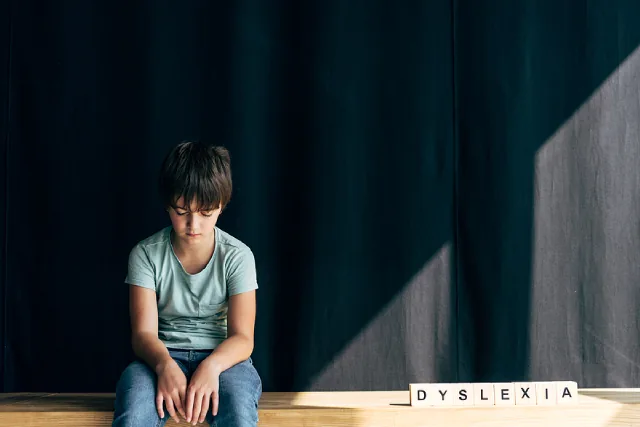
Dyslexia is a common learning difference that affects how individuals process language, making reading, writing, and spelling more challenging. While it is not indicative of intelligence or effort, dyslexia can significantly impact a child’s academic journey and self-esteem. For parents navigating this condition with their child, understanding how dyslexia affects learning is crucial for providing the right support.
Understanding Dyslexia
Dyslexia is a neurodevelopmental condition that affects the brain’s ability to process written and spoken language. It can manifest in several ways, including difficulty decoding words, challenges in recognising letter-sound relationships, and struggles with fluency and comprehension. While the severity and specific symptoms vary, most individuals with dyslexia experience difficulty with phonological processing, which is the ability to identify and manipulate sounds in words.
It’s important to note that dyslexia is not related to vision problems or laziness. Children with dyslexia often try harder than their peers, but their brains process information differently, which makes traditional methods of teaching less effective for them.
How Dyslexia Impacts Learning
1. Reading Difficulties
Dyslexia most commonly affects reading. Children with dyslexia often struggle to decode words, leading to slow, effortful reading. This difficulty can make comprehension challenging since so much cognitive energy is spent on deciphering individual words. As a result, children may fall behind in subjects that rely heavily on reading.
2. Writing and Spelling Challenges
Writing is another area where dyslexia has a significant impact. Children may struggle with spelling, grammar, and sentence structure. They might reverse letters or numbers (e.g., writing “b” as “d” or “12” as “21”) and have difficulty organising their thoughts on paper.
3. Reduced Confidence
Repeated academic struggles can take a toll on a child’s confidence and self-esteem. Many children with dyslexia internalise their challenges, believing they are less capable than their peers. This emotional impact often extends beyond the classroom, affecting social interactions and mental health.
4. Coping with a Standardised Curriculum
The traditional education system is often not designed to accommodate diverse learning needs. Without targeted support, children with dyslexia may struggle to keep up, leading to frustration and disengagement from learning.
Helping Children with Dyslexia
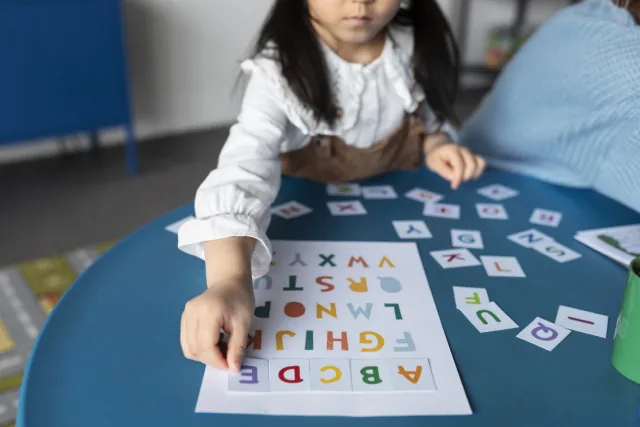
Parents can play a vital role in supporting their child’s learning and emotional well-being. Whether it is through therapy or tuition, children with dyslexia can thrive academically and personally with the right interventions and encouragement.
The Role of Special Needs Tutoring
Specialised instruction tailored to a child’s learning style can make a world of difference. Working with a special needs tutor trained in techniques for children with dyslexia can help your child build foundational reading and writing skills.
Special needs tuition also provides a one-on-one environment where children feel comfortable asking questions and progressing at their own pace. This personalised attention fosters not only academic improvement but also increased confidence.
Therapeutic Support for Emotional Well-Being
In addition to academic challenges, children with dyslexia often face emotional struggles such as anxiety and frustration. Therapy for special needs can help children develop coping strategies, manage stress, and build resilience. Services like special needs counselling provide a safe space for children to process their feelings and gain confidence in their abilities.
Therapy for special needs children supports them in developing coping skills, managing stress, and fostering resilience. Special needs counselling offers a safe and supportive environment where children can explore their emotions and build confidence in their strengths.
Creative therapies, such as art therapy, can also be beneficial. Expressing themselves through art allows children to explore their emotions in a nonverbal way while improving their fine motor skills and boosting their self-esteem.
The Importance of Early Intervention Services
Early identification and support are key to helping children with dyslexia succeed. Early intervention services focus on addressing developmental challenges as soon as they are identified, typically in preschool or early primary school years. These services may include speech and language therapy, occupational therapy, or specialised academic programs.
By tackling dyslexia-related challenges early, children can develop essential skills and strategies before academic demands intensify. Early intervention also fosters a sense of achievement, helping children feel empowered in their learning journey.
Holistic Activities to Support Learning and Emotional Growth
Activities beyond the classroom can also play a vital role in supporting children with dyslexia. For instance, swimming lessons not only improve motor skills but also help children regulate emotions through physical activity. The rhythmic movements and structure of swimming can enhance focus and discipline, qualities that are transferable to academic tasks.
Creative programs, such as art therapy, provide children with an outlet for self-expression while reinforcing skills like concentration and coordination. These holistic approaches complement academic support and contribute to a child’s overall well-being.
Fostering a Supportive Environment at Home
Parents can create a nurturing environment that encourages their child to embrace learning. Here are a few tips:
- Celebrate Strengths: Focus on your child’s unique talents and achievements. Whether it’s creativity, problem-solving, or a love of storytelling, highlighting their strengths boosts self-esteem.
- Promote a Love for Reading: Read together daily, using audiobooks or text-to-speech tools to make the experience enjoyable.
- Be Patient: Learning takes time, and progress may be slow. Celebrate small victories to keep your child motivated.
- Collaborate with Educators: Work closely with teachers, tutors, and therapists to ensure a consistent approach to your child’s learning needs.
Conclusion
Dyslexia may present challenges, but with the right support, children can overcome these obstacles and reach their full potential. Understanding how dyslexia affects learning is the first step in providing the encouragement and tools your child needs to succeed.
At Special Minds, we are dedicated to helping children with dyslexia thrive by offering personalised and comprehensive services. From special needs tuition that targets specific learning challenges to art therapy that fosters creativity and confidence, our programs are designed to meet each child’s unique needs. Early intervention programs further ensure that children receive support at critical stages of their development, laying the foundation for lifelong success.
Our experienced team works closely with families to create tailored strategies that address the academic, emotional, and social aspects of dyslexia. At Special Minds, we don’t just provide services—we build a supportive environment where children can flourish and families feel empowered.
Contact us today to learn how we can support your child’s unique learning journey and unlock their full potential.