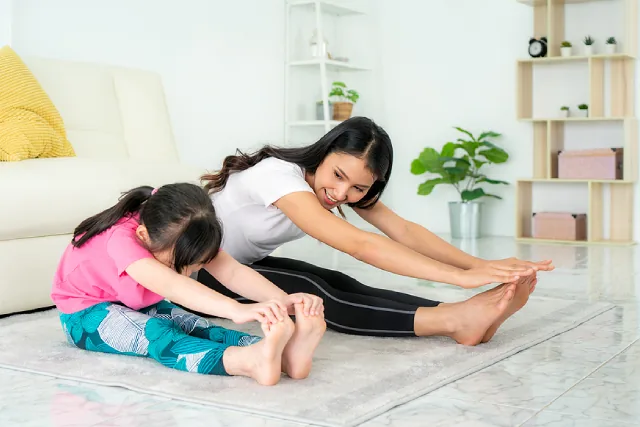
In today’s fast-paced world, children face increasing academic pressures, social expectations, and screen time exposure, all of which can lead to stress and anxiety. Yoga, an ancient practice known for its physical and mental benefits, has become a popular way to support children’s well-being. Particularly for children with special needs, yoga offers a holistic approach to enhancing focus, emotional regulation, and physical health. In Singapore, where families seek high-quality special needs care, incorporating yoga into daily routines can significantly improve a child’s overall development.
Yoga is not just about physical movement; it also incorporates mindfulness, breathing exercises, and relaxation techniques that support cognitive and emotional growth. As awareness of its benefits grows, more educators and therapists are integrating yoga into their services for special needs. Whether through personalised sessions or simple home practices, yoga has the power to create calm minds and strong bodies, setting a foundation for lifelong well-being.
The Benefits of Yoga for Children
1. Enhancing Emotional Regulation
One of the most significant benefits of yoga is its ability to help children regulate their emotions. Through mindful breathing exercises and slow, intentional movements, children learn to manage stress, anxiety, and frustration. This is particularly beneficial for children in special needs care in Singapore, as they often require additional support in processing emotions and self-soothing.
Practising yoga regularly can help children recognise their emotional triggers and develop coping strategies to manage them. Breath control techniques such as deep belly breathing can be used during moments of stress, helping children develop resilience and emotional intelligence.
2. Building Physical Strength and Coordination
Yoga poses, or asanas, help children develop better balance, flexibility, and muscle strength. For children with developmental delays or motor challenges, yoga can serve as a gentle yet effective way to improve coordination and posture. Regular practice can enhance their ability to participate in other physical activities, making it a great complement to play therapy in Singapore.
Certain poses, such as tree pose for balance or warrior pose for strength, can be adapted to meet a child’s individual abilities. Over time, these movements help build body awareness and encourage children to feel more confident in their physical capabilities.
3. Improving Focus and Concentration
For children who struggle with attention issues, yoga encourages mindfulness and concentration. By focusing on their breath and bodily movements, kids can improve their ability to stay present and engaged in daily activities. This increased concentration can benefit their academic performance and participation in other special needs services.
Incorporating breathing exercises into the school day has been shown to improve classroom behaviour and learning outcomes. Teachers and therapists who introduce short yoga sessions throughout the day help children transition between tasks with greater ease and focus.
How to Introduce Yoga to Children
1. Start with Simple Poses
Introducing yoga through simple and fun poses can make the practice more engaging for kids. Animal-themed poses like “cat-cow” or “downward dog” add an element of play, making it easier for children to connect with the practice.
2. Use Music and Storytelling
Pairing yoga with music or storytelling can create an immersive experience that keeps children engaged.
3. Create a Routine
Consistency is key in helping children adopt yoga as a habit. Setting aside a few minutes each day for yoga can make it a fun and anticipated activity.
4. Make It Interactive and Playful
Incorporating play therapy techniques into yoga sessions can make the practice enjoyable and accessible. Using props, games, and visual aids can help children grasp concepts more easily and stay engaged.
Conclusion
Yoga offers a powerful tool for children’s emotional and physical development, especially for those with special needs. Understanding the impact of yoga on children’s well-being is the first step in incorporating it into their daily routine.
At Special Minds, we are dedicated to supporting children with special needs through holistic and engaging programs. Our specialised services incorporate yoga, play therapy, and other evidence-based interventions designed to help children build confidence, focus, and emotional resilience. Our experienced team works closely with families to create individualised strategies that support the unique needs of every child.
Whether you’re looking for therapy or tuition, we build an inclusive and nurturing environment where children can thrive. Contact us today to learn more about how yoga and other therapeutic programs can enhance your child’s development and overall well-being.