Art therapy is a powerful and engaging therapeutic tool that can help children with special needs express themselves, build confidence, and navigate emotions in a way that feels safe and nurturing. Through structured activities, art therapy provides children with an outlet for creativity and a space to process complex feelings, especially when words may be difficult to find. This approach to therapy has shown tremendous benefits for children with developmental delays, autism spectrum disorder (ASD), and other special needs.
In this article, we’ll explore how art therapy can support children with special needs by providing both therapeutic and developmental benefits, all while fostering a sense of accomplishment and joy.
What is Art Therapy?
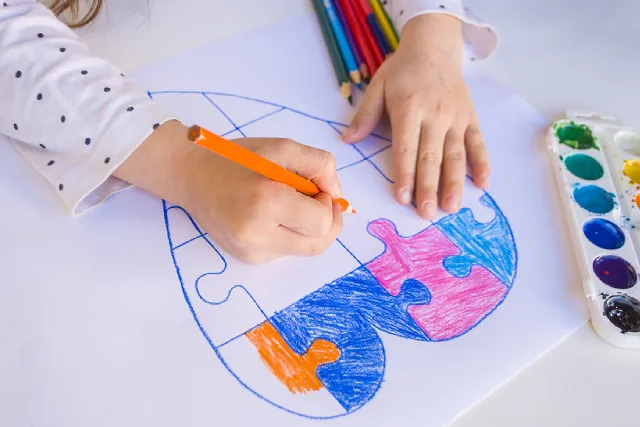
Art therapy is a form of therapy that uses creative processes—such as drawing, painting, and sculpting—to promote physical, mental, and emotional well-being. Unlike traditional art classes, art therapy is guided by a licensed therapist trained to use art as a medium for expression and healing. By creating art, children can access feelings, ideas, and experiences that might otherwise be difficult to communicate.
This therapeutic approach is particularly effective for children with special needs, as it provides a structured yet flexible environment that caters to their unique abilities. Through art, children can process emotions and express themselves in ways that may be more accessible than spoken words.
Key Benefits of Art Therapy for Children with Special Needs
1. Expression and Communication
Art therapy offers a non-verbal outlet for children with special needs to express their feelings and ideas. For children with autism or other developmental delays, verbal communication may be challenging. Creating art allows them to convey emotions and thoughts that might be difficult to articulate, helping them communicate with others and understand their own experiences.
2. Sensory Engagement
Children with sensory processing challenges often benefit from the tactile experiences that art therapy provides. The textures of clay, the feel of paint, and the visual stimulation from different colours and shapes can be calming and therapeutic. By engaging their senses in a controlled setting, children can learn how to process sensory information more effectively, which can improve their ability to handle sensory experiences in daily life.
3. Building Self-Esteem and Confidence
Completing an art project can be immensely empowering for children with special needs, as it gives them a tangible result they can be proud of. This process fosters a sense of achievement and can significantly boost their confidence. With each completed artwork, children gain a sense of self-worth and learn to recognise their own abilities.
4. Social Interaction and Collaboration
Art therapy can also promote social skills in a low-pressure environment. Children can work on group projects, share materials, and discuss their creations, all of which encourage interaction with peers. These shared experiences allow children to practice communication, teamwork, and patience in a space that feels safe and supportive.
Art Therapy as Part of Early Intervention Services
Early intervention services are crucial for supporting children with special needs during their developmental years. Art therapy can complement these services by providing children with an additional means of self-expression and emotional regulation. Integrating art therapy into early intervention can help children develop a range of skills, from improved communication to emotional resilience.
Special needs therapy, such as occupational or behavioural therapy, can also be effectively paired with art therapy to offer a holistic approach that caters to both developmental and emotional needs. This combination allows children to receive comprehensive support that encourages growth in multiple areas of their lives.
What to Expect from Art Therapy Sessions
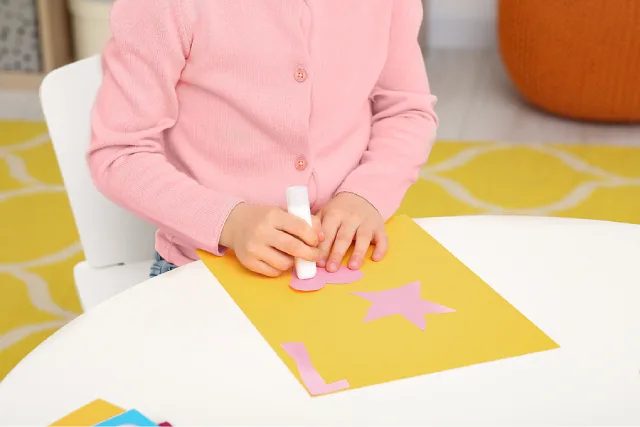
Each art therapy session is personalised to meet the individual needs of the child. A therapist might use a variety of art materials and techniques, including drawing, painting, or collage-making, to engage the child and encourage expression. Sessions are designed to be both enjoyable and therapeutic, allowing children to explore at their own pace without pressure.
Art therapy sessions typically include a discussion about the child’s artwork, which helps the therapist understand their thoughts and emotions better. Over time, this process can lead to breakthroughs in emotional and social development that support the child’s overall well-being.
Finding Art Therapy Services for Special Needs
If you’re considering art therapy as part of your child’s special needs support, look for qualified therapists who specialise in services for special needs. Licensed art therapists have the training required to guide children through the therapeutic process effectively and compassionately.
Special Minds offers art therapy as part of our services, providing a nurturing and professional environment tailored to each child’s unique needs. Whether as a standalone service or as a complement to other therapies, art therapy can be a valuable resource for children with special needs.
Conclusion
Art therapy is a creative, flexible, and effective form of support that can greatly enhance the lives of children with special needs. It allows them to express their inner worlds, regulate their emotions, and build confidence—all in a safe and welcoming space.
For parents seeking a holistic, therapeutic approach for their children, art therapy at Special Minds offers a nurturing environment for growth and self-discovery. Whether you’re looking for therapy or tuition for your child, the team at Special Minds is dedicated to helping each child unlock their unique potential.
Contact us today to explore how we can be an invaluable part of your child’s journey toward confidence and well-being.